
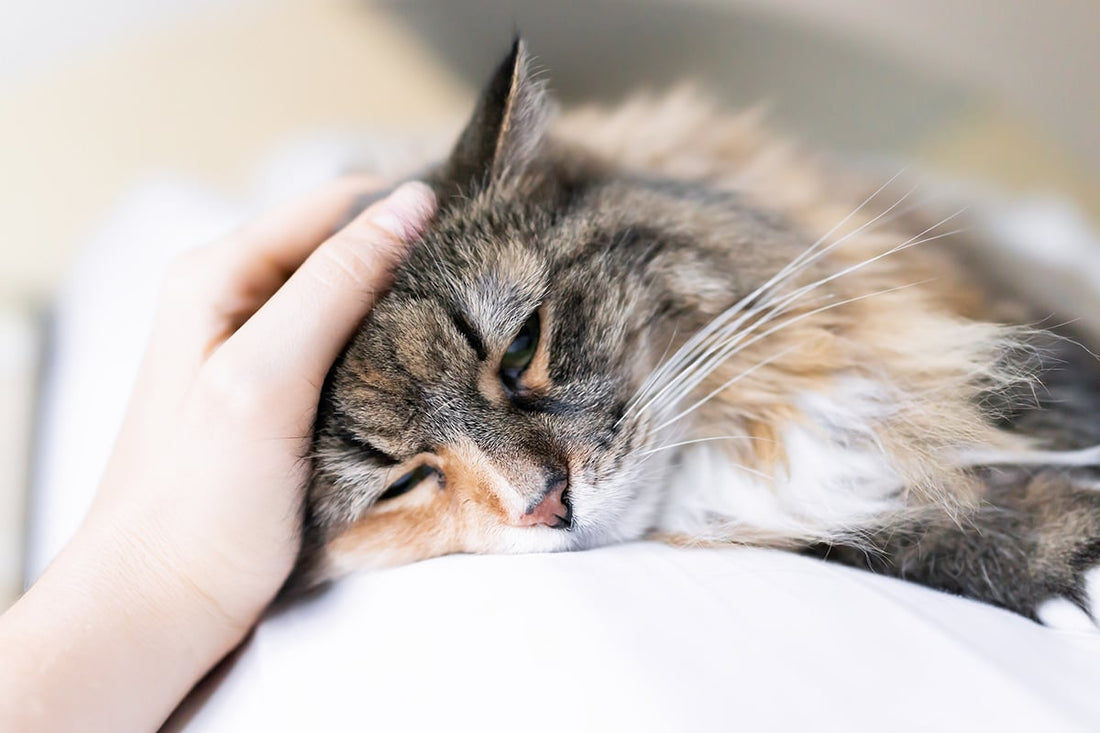
Allergies occur when your immune system mistakenly identifies a harmless substance — like cat dander — as a threat. Over time, changes in your immune system, environment, or overall health can make you more sensitive to allergens you previously tolerated. At Furrenna, we will help you understand and manage these changes so you and your cat can live comfortably together.
Why Adult-Onset Cat Allergies Happen
Some common reasons cat allergies develop later in life include:
-
Changes in immune response due to aging or stress
-
Increased exposure to cats or spending more time indoors
-
Other respiratory conditions, such as asthma or sinus infections, that heighten sensitivity
-
New cats in the household with different dander or saliva proteins
Even minor lifestyle shifts — like adopting another cat or spending more time inside — can increase allergen buildup and trigger symptoms.
Common Signs of Cat Allergies
Cat allergy symptoms can appear immediately after exposure or gradually over time. Look out for:
-
Sneezing, runny, or stuffy nose
-
Itchy or watery eyes
-
Coughing, wheezing, or shortness of breath
-
Skin irritation or hives after petting a cat
-
Fatigue or sinus pressure
If symptoms worsen when you’re at home and improve when you’re away, it’s a strong indicator that cat allergens may be the cause.
How to Manage Cat Allergies Without Rehoming Your Pet
Being allergic doesn’t mean you have to part ways with your cat. Many people successfully manage symptoms through simple adjustments and preventive steps.
Clean and Reduce Allergens:
-
Vacuum and dust often using HEPA-filter devices
-
Wash bedding, curtains, and cat blankets weekly
-
Brush your cat regularly and consider professional grooming
Create Cat-Free Zones:
-
Keep cats out of bedrooms and sleeping areas
-
Use air purifiers to capture airborne allergens
-
Provide your cat with cozy spaces away from frequently used furniture
Medical and Lifestyle Solutions:
-
Over-the-counter antihistamines or nasal sprays can reduce mild symptoms
-
Allergy shots (immunotherapy) may help build long-term tolerance
-
Discuss treatment options with your healthcare provider, especially if you have asthma or severe reactions
When to See a Doctor
If symptoms persist despite cleaning and over-the-counter treatments, consult an allergist. They can perform skin or blood tests to confirm whether cat dander is the trigger and recommend the most effective course of action. A proper diagnosis also helps differentiate cat allergies from other indoor sensitivities such as dust mites, mold, or pollen.
Living Comfortably With Cats and Allergies
Yes, you can develop allergies to cats later in life — but that doesn’t mean you can’t enjoy life with your feline friend. With the right combination of cleaning habits, medical support, and thoughtful adjustments, you can create a safe and comfortable home for both you and your cat. At Furrenna, we will help you every step of the way to ensure your bond with your cat stays strong and happy.


