
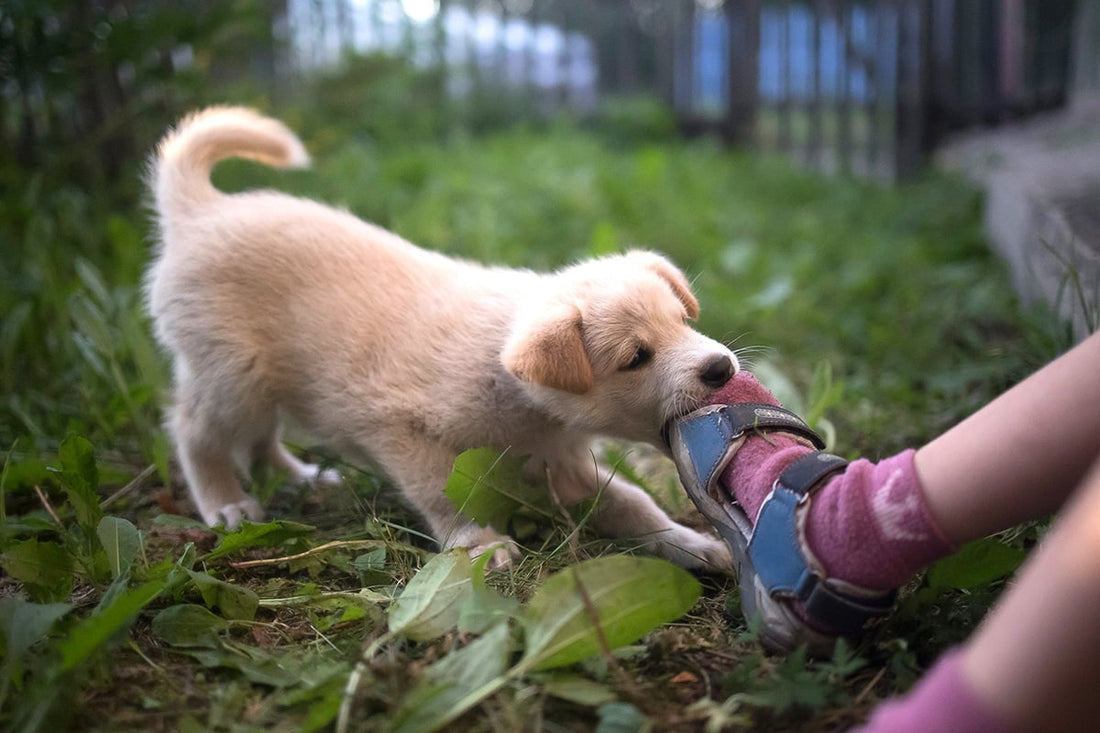
Biting is a natural part of canine behavior, especially in young dogs. Puppies, much like human babies, explore the world with their mouths. Adult dogs, on the other hand, may bite out of fear, pain, frustration, or lack of proper socialization. Understanding why your dog bites is the first step in addressing the behavior. At Furrenna, we will help you guide your dog toward safer and more positive interactions.
Common Reasons Dogs and Puppies Bite
-
Teething (puppies): Biting helps relieve discomfort as new teeth come in.
-
Exploration: Puppies use their mouths to investigate their surroundings.
-
Play behavior: Dogs often use their mouths when playing with each other, and may do the same with humans if not taught otherwise.
-
Fear or anxiety: A scared or stressed dog may bite defensively.
-
Pain or medical issues: Dogs in discomfort may bite when touched.
-
Lack of socialization: Dogs not exposed to people, other dogs, or handling as puppies may be more prone to biting.
How Can I Get My Puppy to Stop Biting Me?
Puppy biting is common, but teaching bite inhibition early is essential. This helps puppies learn how to control the force of their bite — and when not to bite at all.
Tips for reducing puppy biting:
-
Redirect to appropriate toys: Calmly replace your hand with a chew toy and praise them for using it.
-
Teach “gentle” or “no bite” cues: Use a consistent verbal cue paired with redirection and reward calm behavior.
-
Avoid rough play with hands: Hands-on wrestling games can encourage biting — use toys instead.
-
Respond calmly: Yelling or sudden movements may excite your puppy further. Withdraw attention calmly when biting occurs.
-
Provide teething relief: Safe chew toys, frozen washcloths, or puppy-specific teething chews can soothe sore gums.
How Can I Get My Dog to Stop Biting?
Adult dog biting carries higher stakes, but with consistent training, it can often be corrected.
Steps to stop biting in adult dogs:
-
Identify the trigger: Is biting during play? When scared? When touched a certain way? Understanding the cause is crucial.
-
Avoid punishment: Hitting, yelling, or physical correction can increase fear-based biting. Use positive reinforcement instead.
-
Teach impulse control: Exercises like “sit,” “stay,” and “leave it” teach self-control.
-
Socialize your dog: Gradual, positive exposure to new people, environments, and other dogs reduces anxiety-driven biting.
-
Provide mental and physical exercise: Bored or frustrated dogs may bite. Daily walks, play sessions, and puzzle toys help.
-
Manage the environment: Gates or leashes can prevent biting situations until your dog is reliably trained.
When to Seek Professional Help
If biting is frequent, intense, fear-based, or causing injury, consult a professional:
-
Certified dog trainer: Designs a training plan tailored to your dog.
-
Veterinary behaviorist: Handles complex cases involving anxiety, fear, or aggression.
-
Veterinarian: Rules out pain or medical conditions contributing to biting.
Early intervention is key — the longer biting persists, the harder it can be to correct.
Helping Your Dog Become a Safer, Happier Companion
If you’re wondering how can I get my dog to stop biting or how can I get my puppy to stop biting me, remember that biting is often a phase — and a solvable one. With patience, positive training, and understanding, most dogs and puppies can learn to express themselves safely.
At Furrenna, we will help you build a stronger bond with your dog, guiding them toward safer behavior while keeping your home happy and stress-free. A well-trained, well-socialized dog is a joy to have — and a safer, more loving member of the family.


